
In a classic MIT study, people told to pay by credit card were willing to pay roughly twice as much for the same tickets as people paying cash. (Prelec & Simester, 2001)
That gap is the whole reason a "grandma method" like the cash envelope system still works.
After divorce, your money has probably changed shape. One income instead of two. A child support payment that may or may not land on time. A grocery bill that somehow didn't shrink when the household did.
When everything feels slippery, a stack of labeled envelopes gives you something you can actually hold. Here's how to set it up, which categories to use it for, and how to keep it safe.
- The cash envelope system gives each spending category a set amount of cash. When the envelope is empty, that category is done until the next refill.
- Research on the "pain of paying" suggests many people spend more with cards than with cash, though the effect is smaller than early studies implied.
- Use envelopes for flexible categories like groceries, gas, and kids' extras. Keep fixed bills like rent on autopay.
- Digital envelope apps work the same way without carrying cash.
- An empty envelope isn't a failure. It's information.
What the Cash Envelope System Actually Is
The idea is simple and very old. Before direct deposit, plenty of households cashed a paycheck and split it into jars or envelopes. Personal finance author Dave Ramsey popularized the modern version, and it has stuck around because it works for a lot of people.
Here's the basic setup:
- Pick your flexible categories. These are the places your money tends to leak.
- Assign an amount to each. Base it on what you really spend, not what you wish you spent.
- Withdraw that cash on payday and divide it into labeled envelopes.
- Spend only from the matching envelope. Groceries come out of Groceries. Not out of Gas.
- When an envelope is empty, that category is closed until the next refill.
That's the whole thing. No spreadsheet required, though you can pair it with one.
You may have seen "cash stuffing" videos online. That's the social-media cousin of this system, with binders and savings challenges. If that style appeals to you, read Cash Stuffing for Divorced Moms. This post is the classic, plain-envelope version.
Why Cash Works So Well After Divorce
Divorce often leaves you making every money decision alone, sometimes for the first time in years. Cash helps in three specific ways.
1. It makes spending feel real
Researchers call it the "pain of paying." Handing over physical bills registers differently than tapping a card. In the Prelec and Simester study, the card group's average bids were more than double the cash group's.
To be fair, that was a small study. A 2024 meta-analysis in the Journal of Retailing pooled 71 papers and found the "cashless effect" is real but small, and it has weakened over time. So cash isn't magic. It's a speed bump, and sometimes a speed bump is exactly what you need.
2. It has a hard stop
A debit card will let you overdraft. An envelope won't. When $40 is left for groceries, you know it without logging into anything.
3. It's visual
When you're tired, grieving, or juggling kids' schedules, checking an app can feel like one more thing. A thin envelope tells you the truth in half a second.
Share of all U.S. consumer payments by method, 2024
Cash has become the minority choice, which is part of why it works as a budgeting tool. Choosing it on purpose pulls you out of autopilot. The same Federal Reserve report notes that nearly two-thirds of 2024 cash payments were made by people who usually prefer cards, so using cash for some things isn't unusual.
Free: The Emergency Budget Reset
Before you fill a single envelope, get clear on your first 30 days with five simple money moves.
Get the Free Reset →Which Categories Belong in Envelopes
Envelopes work best for variable spending, the categories that change from week to week and are easy to overdo. Fixed bills like rent, utilities, insurance, and car payments are better on autopay from your checking account.
Here's a starting layout. The amounts are examples only. Your numbers should come from your own bank statements.
| Envelope | What it covers | Example amount (per 2 weeks) |
|---|---|---|
| Groceries | Food, household basics, school lunch supplies | Example: $250 |
| Gas | Fuel for work, school runs, custody exchanges | Example: $80 |
| Personal care | Toiletries, haircuts, small self-care items | Example: $40 |
| Entertainment | Takeout, movies, outings, streaming rentals | Example: $50 |
| Kids' extras | Field trips, birthday gifts, school fundraisers, snacks | Example: $40 |
Example figures for illustration only, not recommendations. Set amounts based on your income and real spending.
Start with three to five envelopes. More than that and it gets hard to manage.
For bigger costs that show up a few times a year, like car repairs, holiday gifts, or back-to-school clothes, a different tool works better. That's where sinking funds come in.
of payments by people in households earning under $25,000 a year were made in cash in 2024, compared with 14% across all consumers.
If money is tight right now, you're in good company. Many households already lean on cash because it's predictable. The envelope system just gives that cash a plan.
The Digital Version: Virtual Envelopes
Not comfortable carrying cash? Paying mostly online? You can keep the same rules without paper.
Budgeting apps such as YNAB, EveryDollar, and Goodbudget use an "envelope" or "give every dollar a job" approach. You assign money to categories, log each purchase, and watch the balance drop. Some sync with your bank and some rely on manual entry. Features and costs change, so check each app's current details before you commit.
A simple option: some banks let you open extra savings accounts or "buckets" at no cost. Name one for each category and move money in on payday.
The tradeoff is honest. Digital envelopes lose a little of that physical "pain of paying." Many women use a hybrid, with real cash for groceries and fun money, and virtual envelopes for everything else.
Practical Tips for Making It Stick
Keep your cash safe
- Carry only the envelopes you need for that trip. Leave the rest at home in a secure spot.
- Don't label envelopes with large dollar amounts where others can see them.
- Withdraw cash at bank branches or well-lit ATMs during the day when you can.
- Keep the bulk of your money in an insured bank account. Envelopes are for spending money, not savings.
- If you share a home with others, consider a small lockbox.
What to do when an envelope runs out
It will happen, especially in the first month or two. Here's the order of operations:
- Pause. Ask whether this purchase can wait until the next refill.
- Borrow from another envelope if it truly can't, and make that a conscious choice. Moving $20 from Entertainment to Groceries is the system working.
- Adjust next time. If Groceries empties every cycle, the amount was unrealistic, not you.
Try not to pull out the debit card "just this once." That's how the old habits sneak back in.
Make leftovers count
Money left in an envelope at the end of a cycle is a win. Roll it into an emergency fund, a sinking fund, or let a small portion go toward something that feels good. Celebrating progress matters.
Give it three months
The first month is guesswork. The second shows you the patterns. By the third, many people find their envelopes are close to right.
Knowing where your money goes isn't about restriction. It's about stewardship, and about sleeping a little easier.
Frequently Asked Questions
Does the cash envelope system really work?
For many people, yes, especially for flexible categories like groceries and entertainment. Research suggests people tend to spend somewhat less with cash than with cards, though the effect varies. The bigger benefit is the hard stop: when an envelope is empty, spending in that category stops.
How much cash should I put in each envelope?
Look at two or three months of bank statements and average what you spent in each category. Start there, then trim slowly. There's no universal number; it depends on your income, household size, and area.
Should I use envelopes for bills like rent?
Usually not. Fixed bills are safer on autopay or online payment from your bank account, which also gives you a record. Envelopes are for variable, everyday spending.
What's the difference between cash envelopes and cash stuffing?
They're the same core idea. Cash stuffing is the newer, social-media version that often adds binders and savings challenges. The classic envelope system is plainer and focuses on everyday spending categories.
Is it safe to keep cash at home?
Keep only what you need for the current pay period, store it somewhere secure, and keep savings in an insured bank account rather than at home.
Related reading: Cash Stuffing for Divorced Moms and Sinking Funds After Divorce.
One envelope at a time, you're building something steady. Always forward, never backward. 💚
— Jennifer
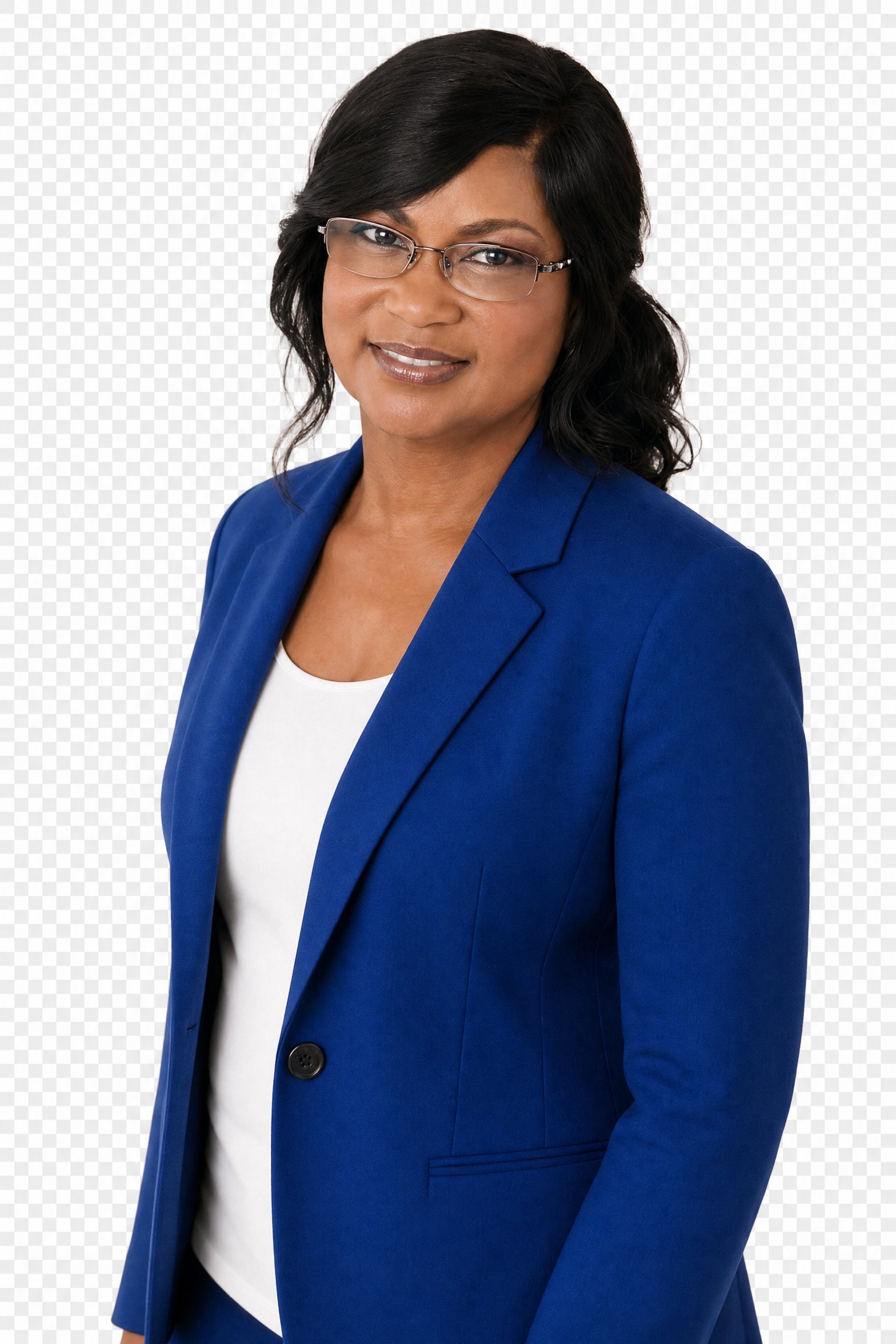
Jennifer Johnson is the founder of As She Rebuilds™. She walked through divorce as a mom and built the tools she wished she'd had. Learn more →
This article is for educational purposes only and is not financial, legal, or tax advice. Budget amounts shown are examples, not recommendations. App features and costs change, so confirm current details with each provider. For advice about your specific situation, talk with a qualified financial professional.